

Mild Brain Injury & Trauma: Why a Concussion or “Minor” TBI Can Raise Risk of PTSD and Long-Term PsychologicalHarm
When most people hear “concussion” or “mild traumatic brain injury (mTBI),” they think: “You got hit on the head, maybe saw stars, but you’ll bounce back in a few days.”
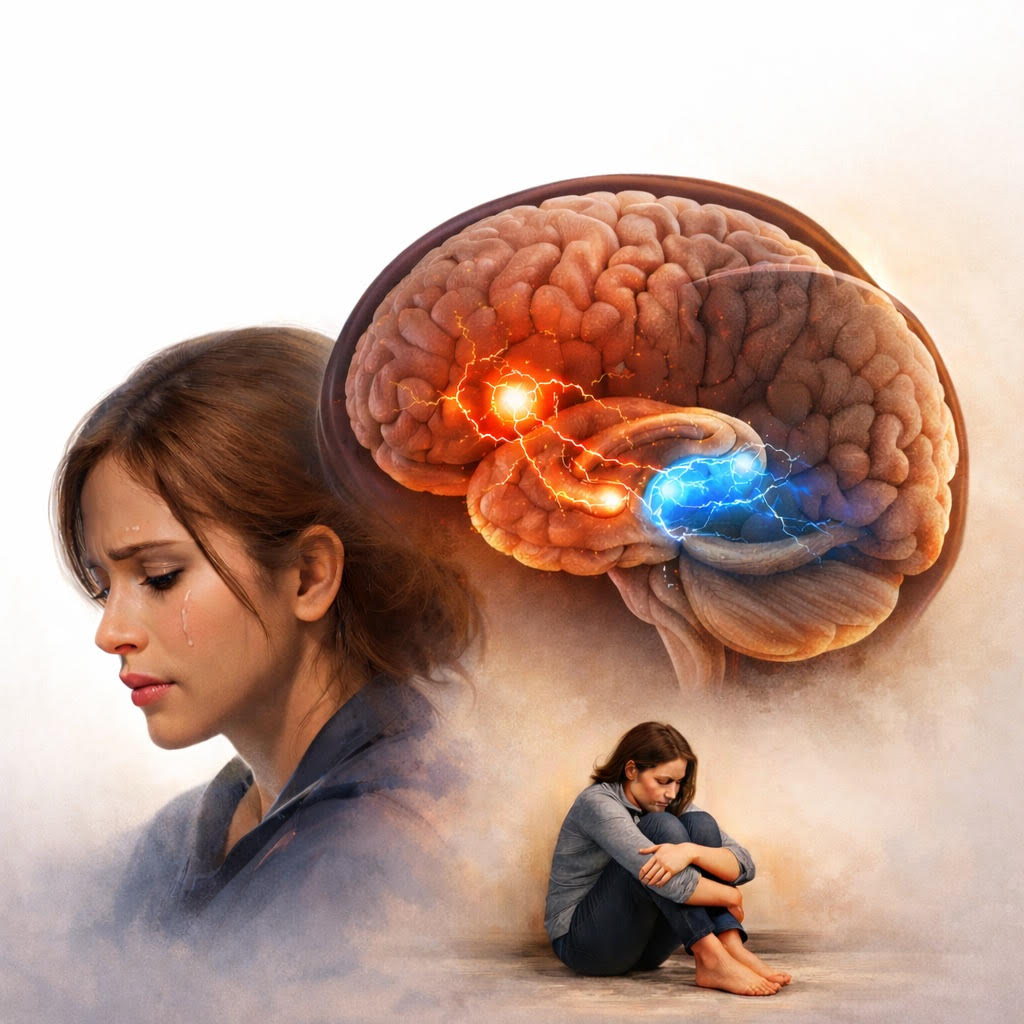
However, recent research suggests that’s often not the full story. A growing body of evidence shows that even a so-called “mild” brain injury can increase vulnerability to serious psychological harm, including post-traumatic stress disorder (PTSD), mood problems, and cognitive decline.
In other words, a concussion is more than a bump on the skull. It can change your brain and mind.
What the Science Says
A 2025 study published in Frontiers in Behavioral Neuroscience (summarized recently on the blog of Palo Alto University) found that rats who suffered a mild brain injury (mTBI), and then were exposed to stress, developed far worse PTSD-like symptoms than those that experienced stress alone. Specifically, the “mTBI + stress” group showed:
• Greater anxiety and depression-like behaviors
• Significant problems with learning and memory (on spatial-memory testing)
• Biological changes in the brain: increased expression of a protein (DNMT3b) in the hippocampus (a region critical for memory and stress regulation).
Why does that matter? Because it suggests that a mild brain injury can “prime” the brain, making it more vulnerable to trauma and stress, even if the original injury seems minor.
Put simply: the brain becomes more fragile after trauma. What might have been manageable before can trigger serious, lasting psychological injury afterward.
What This Means for Real People (Not Just Lab Rats)
• A “simple” car crash, fall, or workplace accident — even if you didn’t black out — can increase your risk of PTSD or other mental-health problems down the line.
• Symptoms might not show right away. Cognitive or emotional changes (memory issues, irritability, anxiety, “foggy thinking”) can emerge after stress, during recovery, or when the brain is challenged (work, family stress, busy lifestyle).
• Many people and even some medical providers underestimate this risk — attributing mood, memory, or psychological symptoms to “just stress,” “just fatigue,” or “just nerves.” That can lead to missed diagnoses of TBI-related psychological problems.
• Because of the overlap between TBI symptoms and psychological/trauma symptoms, effective recovery often requires integrated medical + neuropsychological + mental-health support, not just rest or a quick ER visit.
What You Should Do if You’ve Had a Head Injury — Even a Mild One
• Don’t ignore it. Consult with a doctor immediately! If you were in a crash, fall, or any incident where your head (or body) took a strong jolt, take note. Even if you felt fine at first.
• Monitor your thoughts, emotions, memory, and behavior in the days and weeks afterward. Watch for increased anxiety, mood changes, trouble concentrating, memory problems, sleep issues, or “not feeling like yourself.”
• Seek a full neuropsychological evaluation, especially if symptoms worsen, persist, or appear only when under stress. These evaluations are more sensitive than CT scans or quick ER visits.
• If the injury resulted from someone else’s negligence (car accident, unsafe premises, workplace fault, assault, etc.), consider talking to a personal injury attorney who understands brain injury and trauma. Legal advocacy can be critical for ensuring access to the right treatment, sustained care, and compensation for long-term impacts.
• Recognize that psychological trauma after TBI is real, measurable, and treatable, but early identification and intervention matter.
Why This Research Matters, Especially for Clients & Community Members
• Breaks the stigma & misconceptions: Concussions aren’t always “mild” and “temporary.” They can set off a cascade of mental-health issues long after the event.
• Fills a treatment gap: Many people with TBI never receive follow-up neuropsych or trauma evaluations. Research like this shows why follow-up matters.
• Supports better legal & medical outcomes: For those pursuing injury claims, co-occurring TBI + psychological trauma can justify more extensive documentation, long-term care, and stronger claims for damages (medical costs, lost income, diminished quality of life).
• Promotes prevention & awareness: If people — especially employers, first responders, health-care providers, and community organizations — understand these risks, they can act sooner, offer support, and reduce long-term harm.
Final Thoughts — A Call to Action
If you or a loved one has experienced a head trauma, even one that seemed minor, don’t dismiss it as “nothing.”
Take it seriously. Let it be a wake-up call to watch for psychological or cognitive changes. Seek proper evaluation. And if the injury was caused by another person, employer, or unsafe conditions, consider consulting a personal injury attorney experienced in TBI and trauma cases.
Because the hidden damage from a “minor” brain injury can last years, and it deserves attention, care, and justice.



.jpg)